
How to Reduce the Side Effects of Finasteride
Table of contents:
- What are the Side Effects of Finasteride?
- What are the Serious Side Effects of Finasteride?
- Finasteride Long-Term Side Effects
- Finasteride and Suicidal Ideations
- Are Finasteride Side Effects Permanent?
- How to Reduce Finasteride 1mg Side Effects
- Frequently Asked Questions
- Reliable Support Whenever You Need It
Male pattern baldness and hair loss can be distressing and have a serious impact on confidence. While medication is available that may help, it, like all treatments, can cause adverse side effects. It’s therefore a good idea to have a clear understanding of what you could expect before you decide whether a particular treatment is suitable for you.
Finasteride is one such option. Available for hair loss in 1mg tablets, it has been clinically proven to restore hair or prevent further loss in around 90% of men. The question is, what adverse effects could the treatment cause?
Join us as we explore the potential impact of the medication, how long symptoms last, and how to reduce the side effects of Finasteride. We’ll also answer some frequently asked questions about the subject. Let’s get started.
What are the Side Effects of Finasteride?
Any medication has the potential to cause side effects, including finasteride. The most common side effects of finasteride are sex related, such as erectile dysfunction, loss of desire to have sex, and ejaculation issues. Although they are often mild and temporary, some men find they can persist, even after stopping the medication.
So, it is important to understand what adverse reactions you may encounter and how they could affect you. Here, we explore the common, uncommon, and rare side effects of finasteride.
Common Side Effects of Finasteride
The most common side effects of finasteride for hair loss are related to sexual function. They are usually temporary, but they can affect your confidence if they continue. Speaking to your clinician as early as possible if you experience any of these adverse effects will help.
Common finasteride 1mg side effects are
- Erectile dysfunction
- Low sex drive
- Producing less semen
Uncommon Finasteride Side Effects
Uncommon finasteride side effects often affect up to 1 in 100 people who take it. Although they can be uncomfortable, they are often mild and manageable. Speak to your clinician if you experience any uncommon finasteride side effects, as they may recommend an alternative hair loss treatment or advise you on how best to manage them.
Uncommon finasteride side effects include:
- Breast area tenderness or swelling
- Rashes
- Skin reactions
Rare Side Effects of Finasteride
Rare side effects affect fewer than 1 in 1,000 people but are more serious and may require urgent medical attention. Potential rare side effects of finasteride are:
- Pain in the testicles
- Signs of male breast cancer
- Allergic reactions (dizziness, swollen lips and tongue, itchy skin, breathing problems)

Likelihood of Experiencing the Side Effects of Finasteride
Side effects are more common with the 5 mg finasteride dose than with the dose used for hair loss. One study found that adverse effects were minimal among people taking finasteride for hair loss. That said, side effects are possible, and some may persist even after treatment has stopped. It’s therefore important to have a clear understanding of what to expect before starting treatment.
What are the Serious Side Effects of Finasteride?
Serious finasteride side effects are rare and can range in severity. Some people may notice serious side effects after they have been taking finasteride for a few months. It is important to monitor how your body responds to finasteride so you can spot any changes as early as possible.
You should see a doctor straight away if you are taking finasteride and you get:
- Signs of breast cancer: any lumps or swelling in your chest or nipple discharge
- Depression: signs include a persistent low mood, sadness, loss of interest in activities you usually enjoy, changes in sleep or appetite
If you get any of the following serious side effects, call 999 or get someone to take you to A&E:
- Thoughts of harming yourself
- Suicidal ideations
- Serious allergic reaction
Signs of a serious reaction include:
- Swelling of your lips, tongue, mouth, or throat
- Difficulty breathing or swallowing
- Your skin, lips, or tongue turn blue, grey, or pale
- You’re confused, drowsy, or dizzy
- You collapse
If you experience any side effects of Finasteride, serious or otherwise, you can report them via the Medicines and Healthcare products Regulatory Agency (MHRA) Yellow Card Scheme.
Finasteride Long-Term Side Effects
Long-term finasteride use is generally safe, but it can cause persistent side effects in a small number of people. These include persistent sexual dysfunction, depression, anxiety, and, in rare cases, breast cancer. If these side effects persist after you stop taking finasteride for hair loss, it is called post-finasteride syndrome.
Finasteride and Suicidal Ideations
One of the most serious potential side effects of Finasteride is suicidal thoughts. In 2024, the MHRA said it had received 281 reports of depressed mood disorders and suicidal and self-injurious behaviours while taking the treatment since February 1993. If you experience any of these symptoms, it’s essential to seek emergency medical attention.
Because of these risks, you will be asked some questions regarding your psychiatric history before being prescribed Finasteride. This is to help determine whether the medication will be safe and suitable for your circumstances.
Are Finasteride Side Effects Permanent?
Most finasteride side effects are not permanent and usually resolve on their own as your body adjusts to the medication. For some people, side effects, like erectile dysfunction, ejaculation issues, and having a low libido, can continue after they stop treatment.
Finasteride clears the bloodstream relatively quickly, with a half-life (the time it takes for half the medication to be eliminated from the body) of between 5 and 6 hours in men aged 18-60. However, it may take up to 14 days for the medication's hormonal effects to wear off and DHT levels to return to normal. Most side effects should resolve or improve during this time period.
If you get any finasteride side effects that continue after you have stopped treatment or do not seem to be getting better, contact your clinician for further advice.
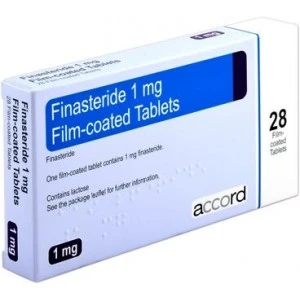
Finasteride
- Slows hair loss
- Promote hair growth
- Available from a UK-registered pharmacy
How to Reduce Finasteride 1mg Side Effects
Finasteride 1mg side effects can be a bothersome consequence of taking hair loss medication. However, there are steps you can take to reduce your risk of experiencing them and to support the medication’s effectiveness. From only taking the prescribed dose to following proper storage guidelines, we discuss what you can do to lower your risk.
1. Take Only the Prescribed Dose
Finasteride for hair loss is prescribed at 1 mg per day; higher doses do not provide greater benefit. In fact, higher doses increase the chance of side effects. You should also aim to take the tablet at the same time every day. This will help to keep finasteride at consistent levels in your body.
2. Store Finasteride Properly
The best way to store finasteride is at room temperature in its original packaging. This will help to keep it protected from direct light and ensure the medication remains effective. You should avoid storing finasteride in the bathroom or anywhere else where it may be exposed to excessive heat or moisture.
3. Reduce Oestrogen Levels
One reason some side effects of finasteride occur is the increase in oestrogen in the body.
This accounts for erectile issues and breast tenderness or pain, for example. When DHT is eliminated, the body's oestrogen becomes stronger. Therefore, reducing oestrogen levels can help reduce side effects. Examples of how to do this include:
- Losing weight
- Taking zinc supplements
- Eating more cruciferous vegetables (such as broccoli, kale, Brussels sprouts, and cauliflower)
You should speak to your clinician before starting any new supplements or medications while taking finasteride.
4. Take Regular Exercise
Exercise is important, regardless of your activity level or the medications you may be taking for any condition. However, when it comes to reducing the side effects of finasteride, exercise can be extremely helpful.
Staying active is a good stress reliever, reducing cortisol (the ‘stress hormone’) and increasing serotonin (the ‘feel good’ hormone). This can have a positive impact on any sexual issues you might be experiencing due to taking finasteride. For example, getting 160 minutes of weekly exercise for 6 months can reduce erectile problems in men. It will also help you lose weight, which, as mentioned above, is another effective way to reduce side effects.

5. Increase Vitamin D
Many of us are deficient in vitamin D, so taking supplements to boost our levels is a good idea. There is some research suggesting a link between vitamin D deficiency and androgenetic alopecia.
A vitamin D deficiency can affect sperm quality, and since this condition can be exacerbated by finasteride, vitamin D supplementation may help improve fertility. You can easily increase your vitamin D levels by spending time in the sun regularly. When exposed to sunlight, our bodies' cells produce vitamin D, which offers numerous benefits.
6. Stop Taking the Treatment
The easiest way to reduce (in this case, eliminate) the side effects of finasteride is to stop taking the drug altogether. Unlike some medications, finasteride is not addictive, and it will not harm you or make you unwell if you stop taking the pills each day. However, do bear in mind that if you do stop taking finasteride, your hair loss will begin again exactly as it did before – the effects of the drug only last while it is in your body.
You will need to weigh up the pros and cons of what will happen if you stop taking the drug compared to the side effects you were experiencing when you did take it. The choice is ultimately yours, but it is wise to seek medical advice, especially if the side effects are more serious.
Frequently Asked Questions
Any medication can cause adverse events, but understanding what they are and how they may affect you is important. Here, we answer some of the most common questions about finasteride side effects.
Do Finasteride Side Effects Go Away on Their Own?
Yes, many finasteride side effects are mild and temporary and will go away on their own once your body adjusts to the medication. However, in a small number of people, finasteride side effects can persist, even after they have stopped treatment. You should let your clinician know if you experience any side effects from finasteride.
Do Any Finasteride Side Effects Involve Memory?
Although not listed as a side effect in the patient information leaflet, emerging research suggests there may be a link between finasteride use and cognitive dysfunction. This included activities involving memory. However, leading a healthy lifestyle, such as eating a balanced diet, getting regular exercise, managing stress, and prioritising sleep, can all help reduce the risk of memory issues.
If you have any concerns about finasteride and memory, speak to your clinician for further advice.
Are Finasteride Side Effects Overblown?
Finasteride side effects are generally considered rare, but some people do get them. For most people, side effects like erectile dysfunction go away on their own once the medication is stopped. It is important to note that millions of people have taken finasteride and had no, minimal, or reversible side effects.
Finasteride
- Slows hair loss
- Promote hair growth
- Available from a UK-registered pharmacy
When Do Finasteride Side Effects Start?
Finasteride side effects usually start within the first few weeks to a few months after starting treatment. Although side effects are rare, some people may get them earlier than this, while others may get them much later. You should monitor your body for any changes and discuss any side effects you get with your clinician.
Are Finasteride Side Effects Reversible?
Yes, most finasteride side effects are reversible and will improve after you stop taking the medication. However, in some cases, sexual side effects can last for months or years after stopping finasteride. If you are concerned about any side effects and you have stopped finasteride, contact your clinician for more advice.
Reliable Support Whenever You Need It
If you’re looking for assistance with medical conditions such as hair loss, smoking, obesity, or erectile dysfunction, you’ll want to be reassured that your situation will be handled with the utmost care, discretion, and efficiency. That is where Prescription Doctor comes in.
Since 2013, we’ve made it our mission to simplify access to healthcare and provide our customers with a service that’s tailor-made to suit their requirements. It’s therefore no surprise that we’re highly rated on Trustpilot.
We begin with a simple online questionnaire that asks for details regarding your medical history and any other treatments you may be taking. This can be completed at any time from your own home, with no need for an appointment. Your information is then reviewed by our experienced clinicians to determine whether your chosen medication is suitable for your circumstances. Once approved, your order is dispatched by our General Pharmaceutical Council-registered pharmacy in plain packaging for complete discretion. Anything approved before 3pm on a weekday is also eligible for swift next-day delivery.
While some providers end their service there, ours continues with regular progress checks from our clinicians to ensure your treatment schedule is working as planned. You can also contact our specialists whenever you have a query. In addition, our website has a library of information about Finasteride, including how long it takes to work, where to buy it, and what happens if you stop taking it.
Ready to take control of your healthcare? Start a consultation with Prescription Doctor today.
Sources
- Cureus (2021): Prevalence of Low Serum Vitamin D Levels in Patients Presenting With Androgenetic Alopecia: A Review.
- EMC (2025): Finasteride 1mg tablets.
- Frontiers in Neurology (2025): Association between finasteride with subjective memory deficits: a study from the NHANES and FAERS databases.
- Indian Dermatology Online Journal (2012): Finasteride and sexual side effects.
- International Journal of Trichology (2009): Finasteride-induced Gynecomastia: Case report and Review of the Literature.
- Journal of the American Academy of Dermatology (1998): Finasteride in the treatment of men with androgenetic alopecia.
- NHS (2023): Side effects of finasteride.
- PFS Foundation (2026): PFS by the Numbers.
- Sexual Medicine (2018): Physical Activity to Improve Erectile Function: A Systematic Review of Intervention Studies.
- The Journal of Clinical Endocrinology & Metabolism (2017): Effects of Vitamin D Supplementation on Semen Quality, Reproductive Hormones, and Live Birth Rate: A Randomised Clinical Trial.
- The Journal of Sexual Medicine (2012): Persistent Sexual Side Effects of Finasteride: Could They be Permanent?
- Trends in Urology & Men’s Health (2024): Post-finasteride syndrome: real or myth?
- PubMed (2020): Post-finasteride syndrome.
- MHRA: Yellow Card reporting site.
- MHRA (2024): Finasteride: reminder of the risk of psychiatric side effects and of sexual side effects (which may persist after discontinuation of treatment).
Authored By

Leanne Edermaniger
Medical Content WriterPublished on: 12/12/2019
Reviewed By

Mohamed Imran Lakhi
MPharm - Lead PharmacistReviewed on: 26/03/2026
How We Are Regulated
Payment Options


© 2013 - 2026 Al Muhsineen Limited. All Rights Reserved. Registered Pharmacy: 34 Halliwell Road, Bolton BL1 8RL. Registered Office: 254 First Floor, Shearbrow, Blackburn, England, BB1 8DS


Patient Login
Don't have an account?
Your account will be automatically created after placing your first order.